Applications
Paint & Coating Industry
- Emulsion paint me viscosity control
- Pigment suspension improve karta hai
- Sagging aur settling rokta hai
Putty & Construction
- Wall putty me smoothness & workability improve
- Water retention badhata hai
Other Uses
- Textile printing
- Paper industry
- Detergents
- Food & pharma (different grade)
Advantages
- Low dosage me effective
- Easy dispersion in water
- Stable in different temperature conditions
- Cost-effective thickener
Packaging & Storage
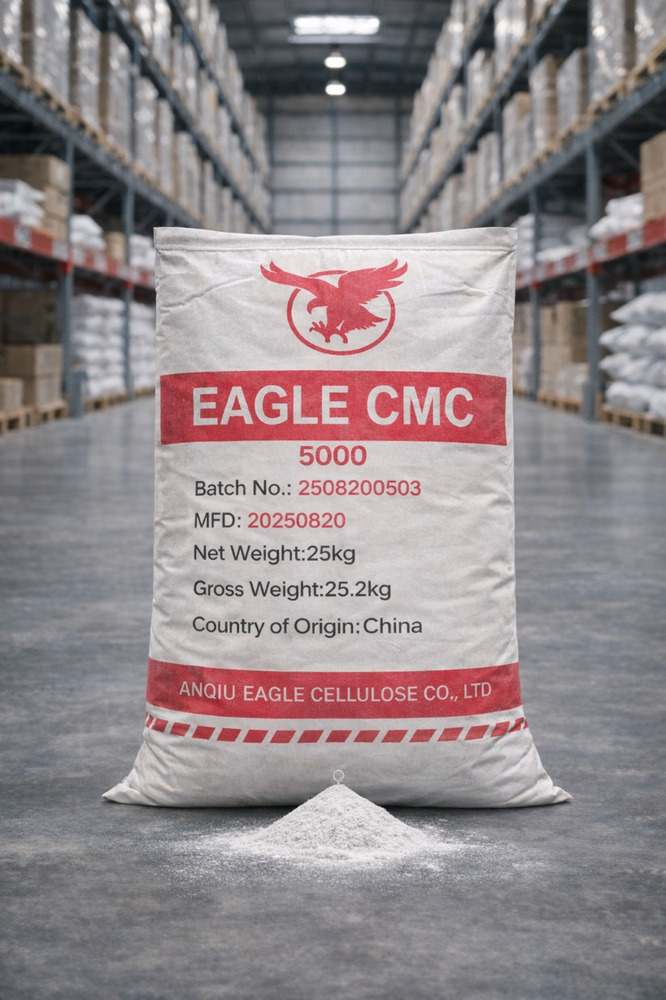
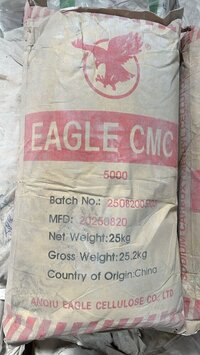
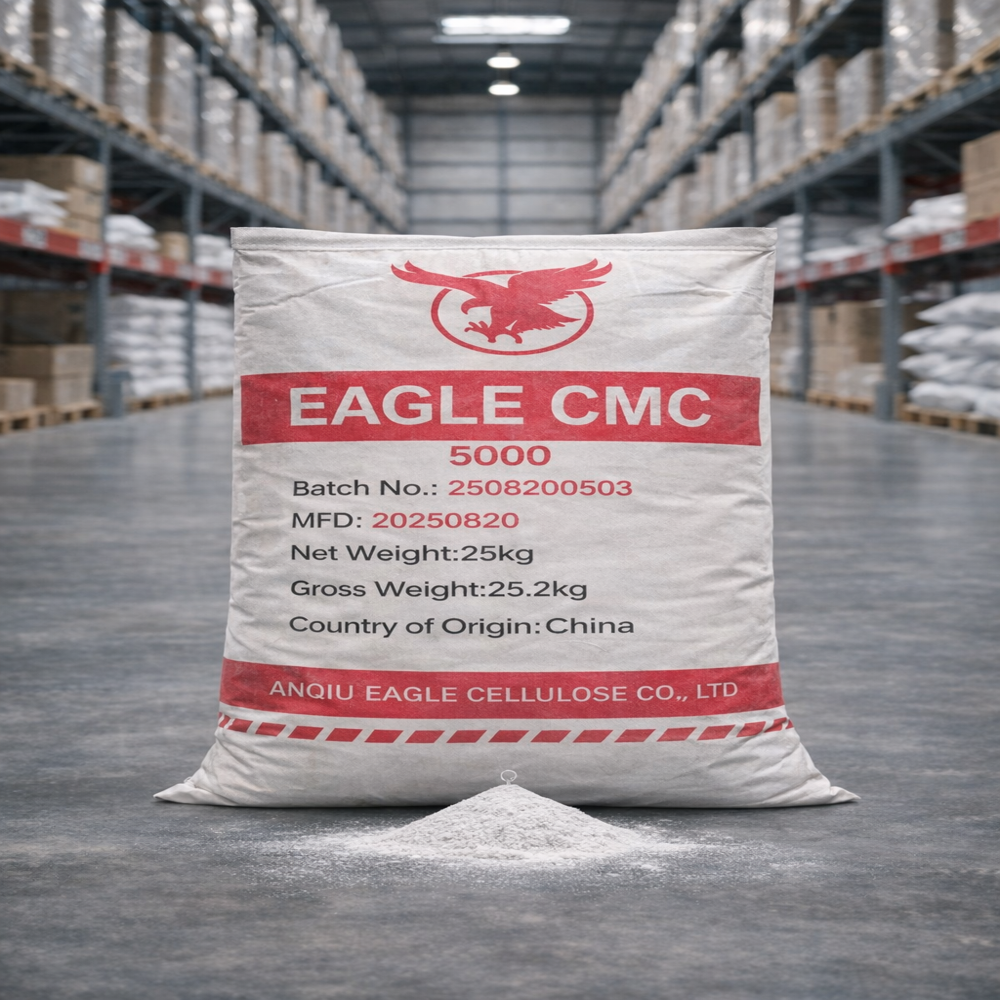
- 25 kg kraft paper bags
- Dry, cool, ventilated jagah par store kare
- Moisture se bachaye
Enhances Paint Quality and ConsistencyCarboxymethyl Cellulose (CMC) is vital in the paint industry due to its exceptional ability to improve viscosity and stabilize paint mixtures. Its white, powdery form dissolves easily in water, ensuring uniform texture and application. Commonly employed in acrylic and other paint types, CMC helps maintain pigment suspension and prevents settling, resulting in high-quality finishes and superior surface coverage.
Global Supplier and Manufacturer NetworkThe distribution of Carboxymethyl Cellulose covers a comprehensive network, including roles as a distributor, exporter, importer, manufacturer, service provider, supplier, trader, and wholesaler. China stands out as a significant source and provider of CMC, delivering consistent quality that meets the diverse requirements of the paint industry worldwide.
FAQ's of CARBOXYMETHYL CELLULOSE:
Q: How is Carboxymethyl Cellulose (CMC) used in the paint industry?
A: CMC acts as a thickener and stabilizer in paints, especially acrylic types. It is mixed into the paint formulation powder, where it dissolves in water and helps achieve uniform texture, improved consistency, and better pigment suspension for smooth application.
Q: What are the main benefits of adding CMC to paints?
A: Adding CMC enhances paint quality by improving viscosity, preventing pigment settling, increasing adhesive properties, and ensuring a smoother finish. These benefits provide consistent color and coverage for various coating applications.
Q: When should CMC be incorporated during the paint manufacturing process?
A: CMC should be introduced during the initial mixing phase, where its water solubility allows it to integrate seamlessly into the paint base. This ensures adequate dispersion and optimal results throughout production.
Q: Where is Carboxymethyl Cellulose primarily produced or sourced from?
A: CMC is predominantly manufactured and sourced from China, which has a well-established supply chain for paint industry materials. Many distributors, exporters, and manufacturers select Chinese-origin CMC for its quality and availability.
Q: What is the process for applying CMC in paint formulation?
A: Typically, CMC powder is slowly added to water or the aqueous phase of a paint mixture, ensuring thorough dispersion. Once fully hydrated, it is integrated with other ingredients, helping to stabilize and thicken the final paint product.
Q: Is CMC suitable for all types of paints?
A: While CMC is particularly effective in acrylic paints, it can be used with various other paint types to enhance performance, texture, and consistency throughout the painting process.
Q: What roles does Carboxymethyl Cellulose serve in the paint supply chain?
A: CMC is available from distributors, exporters, importers, manufacturers, service providers, suppliers, traders, and wholesalers, supporting a robust global demand, especially within the Chinese paint manufacturing sector.

 GST No.08ATMPP8917A1ZF


 Our Products